Xavier Vallat


Xavier Vallat was born on December 23, 1891, the tenth of eleven children in a devout, traditionalist Catholic family. He studied law and worked as both a teacher and a lawyer. During the First World War, he lost an eye and a leg. At the end of the conflict, he was awarded the Legion of Honor and received four citations for bravery. In 1919, he was elected as a deputy on a highly conservative list from his home region of Ardèche. After several years without a political label, he eventually joined the liberal-conservative right-wing party, the « Fédération républicaine ». A committed Catholic activist and a gifted speaker, he championed a return to Catholic values and expressed hostility toward the Republic, the Communists, and the Popular Front. By the 1930s, he had become a central figure of the political opposition.
A few years earlier, Vallat had joined the French Catholic League / Anti-Jewish-Masonic League, founded in 1913 in response to the Dreyfus Affair and the separation of Church and State. At the time, his antisemitism was open and even proudly claimed, though it had not yet reached extreme levels. Everything changed with the rise of the Popular Front. In 1936, during a speech in parliament, he launched a fierce attack on Léon Blum, lamenting that France could be led by a Jew. His words set the tone: Xavier Vallat became the leading figure among French antisemites.
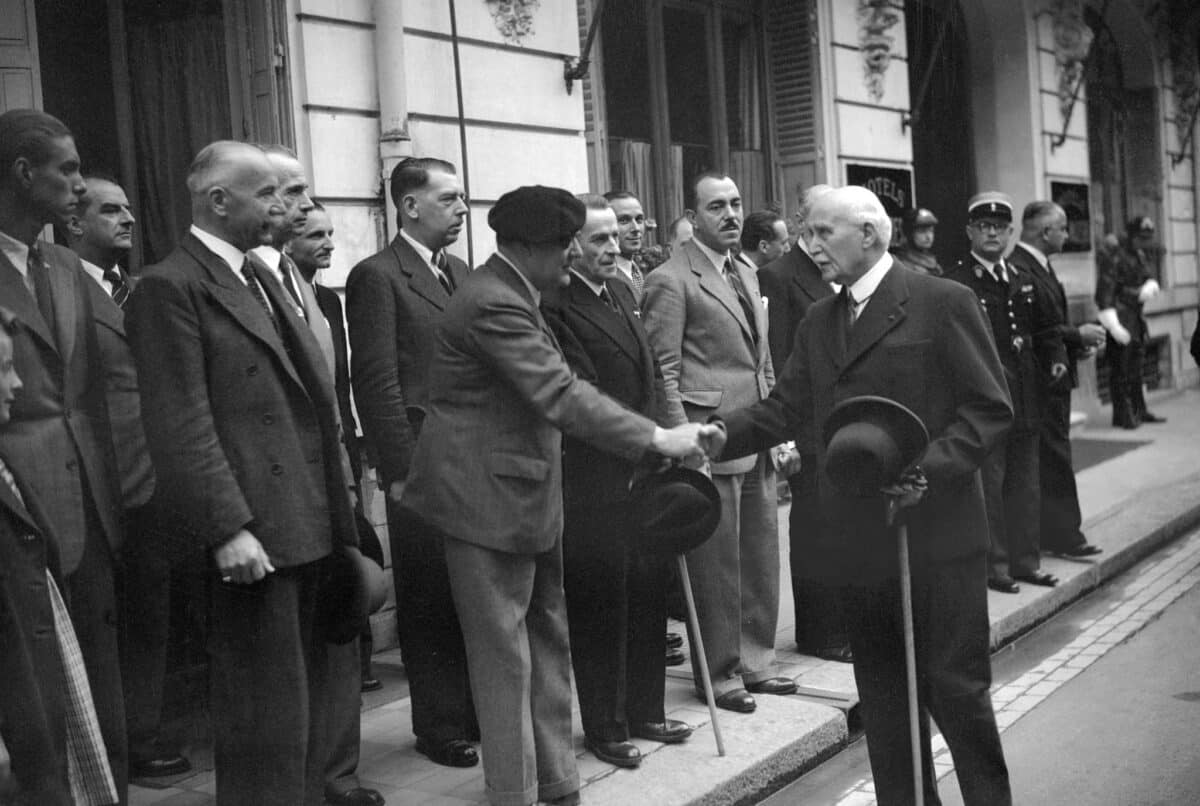
He grew increasingly radical, verbally attacking former colleagues and defending members of the Cagoule, a clandestine far-right organization founded in 1936 that sought to overthrow the government. Vallat’s aggressive rhetoric and deeply conservative views did nothing to hinder his political career; on the contrary. In January 1940, he was elected vice-president of the Chamber of Deputies. On July 10, 1940, in Vichy, he voted in favor of revising the constitutional laws and granting full powers to Pétain. The Third Republic, which he so despised, was dead. Two days later, he was appointed Secretary-General for Veterans.
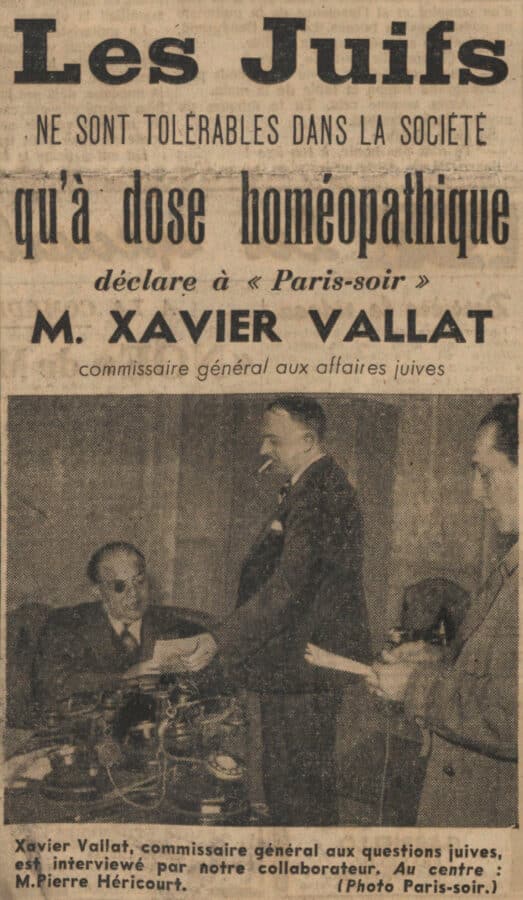
In the spring of 1941, Vallat became the first General Commissioner for Jewish Affairs. His striking speech against Blum five years earlier had opened the door to a career as an antisemitic legislator. His power was vast. Among his responsibilities, he was expected to propose to the government “all legislative and regulatory provisions, as well as all measures necessary to implement the principle decisions adopted by the government regarding the status of Jews, their civil and political capacities, and their legal ability to hold offices, jobs, and professions” (law of May 19, 1941). A lawyer by profession, he threw himself into the task. Upon assuming office, he began drafting a new series of laws, including the Second Statute of the Jews, which was published a few weeks later.
The creation of the CGQJ did not immediately provoke widespread fear among Jews, many of whom preferred having their fate in the hands of a Frenchman, especially one known for his Germanophobia. For French Jews in particular, Vallat’s appointment initially seemed almost reassuring because he had previously spoken in favor of Jews from long-established French families and of Jewish veterans, some of whose rights he had defended while serving as Secretary for Veterans. But these hopes were quickly dashed. While a few Jews with exceptional military distinctions were granted exemptions, the vast majority were subjected to the harsh regulations implemented by the CGQJ.
When Vallat was dismissed in the spring of 1942, he left the commissariat with a remarkable record: dozens of decrees, laws, and orders regulating the Jewish question in France. He had provided France with a solid legal framework that would make arrests and deportations possible from 1942 onward.
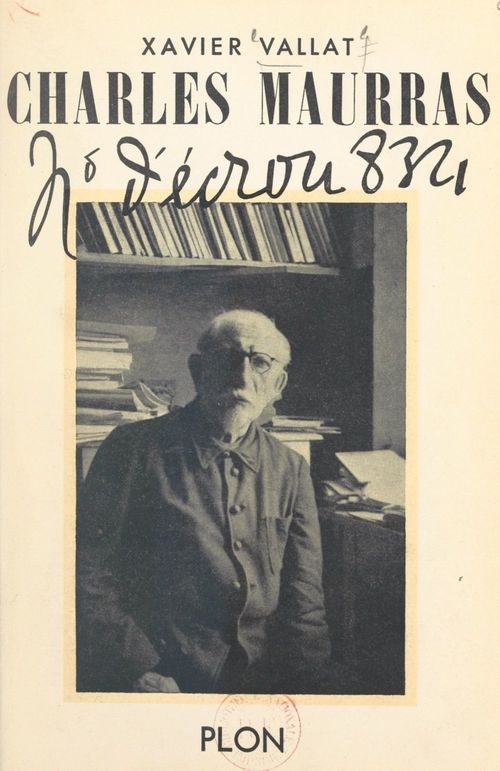
Xavier Vallat was arrested in Vichy on August 17, 1944. His trial began in December 1947, making him one of the last high-ranking officials to be prosecuted. He showed no remorse, took full responsibility for his actions, and framed his policies as a defensive strategy. He escaped the death penalty, and the court handed down a lenient sentence: lifelong national degradation and ten years’ imprisonment. In practice, he served only two years in prison and was granted amnesty in 1954. He died in 1972 at the age of 81.
Sources
Cointet, Jean-Paul. Les hommes de Vichy. L’illusion du pouvoir. Paris, Perrin, 2017.
Joly, Laurent. Xavier Vallat. Du nationalisme chrétien à la collaboration d’état. Paris, Grasset, 2001.
Joly, Laurent. Vichy dans la Solution finale. Histoire du Commissariat général aux questions juives (1941-1944). Paris, Grasset, 2006.